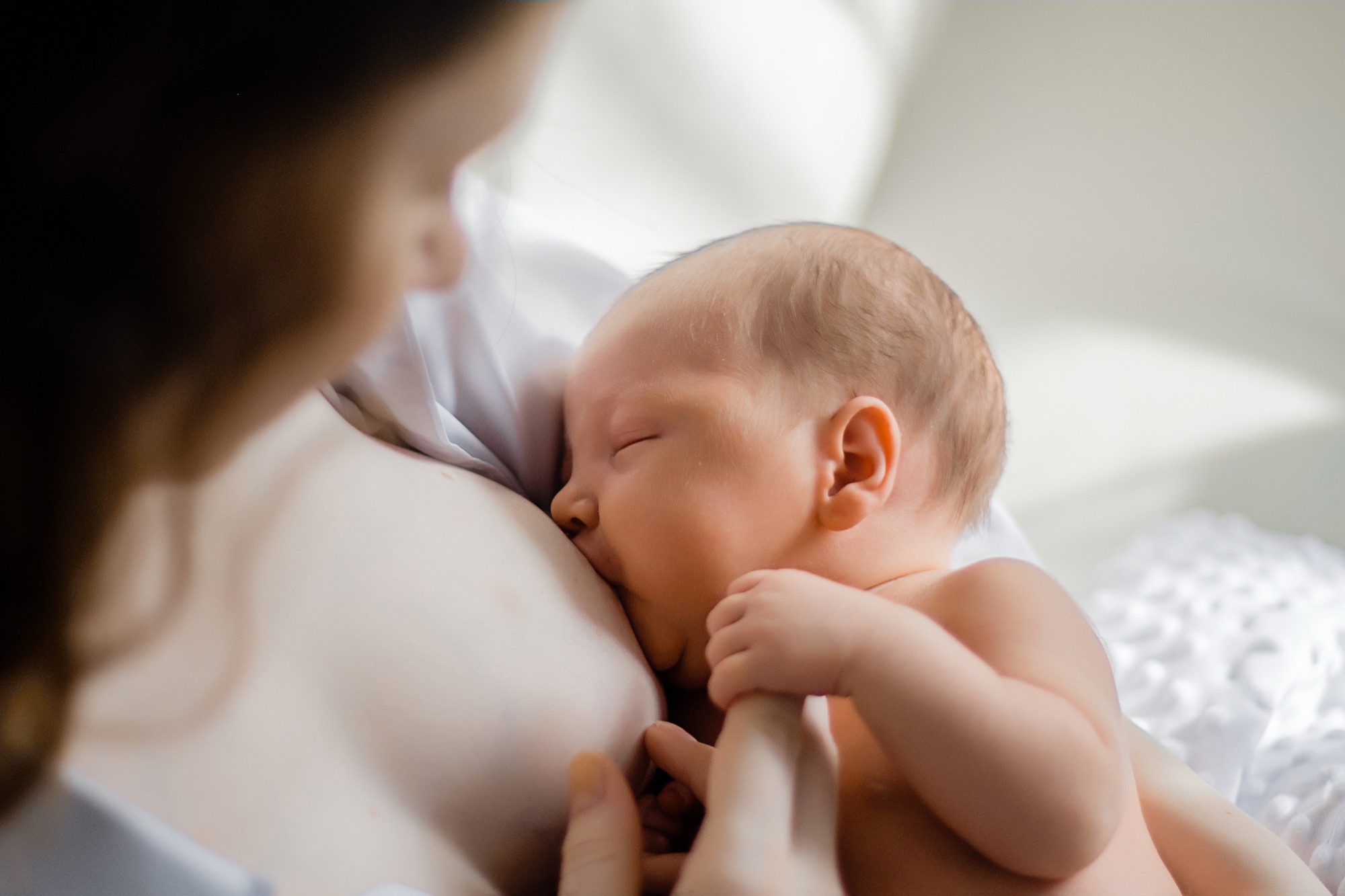
Real mothers. Real time. Real evidence.
Consented, de-identified, real-world evidence from women who breastfeed, formula feed, or both, so the people who shape maternity care can see what mothers face, as it happens.
The gap between what mothers intend and what actually happens.
Most infant feeding data arrives years late and only counts outcomes. The Index follows women from their intention in pregnancy to what really happened, whatever way they choose to feed, and shows where systems help or fail them.
The last national survey was in 2010.
The Intention Gap
Intention: 94% (Australian cross-sectional study, 2019–20). Exclusive breastfeeding to around six months: 15% (AIHW national infant feeding survey, 2010). The path between them is illustrative. The Index will measure it live.
From a mother's story to evidence you can stand behind.
Every step is designed so that women stay protected and organisations can trust what they receive.
She chooses to take part
Women opt in with clear consent and can withdraw at any time. Any feeding method is welcome.
Her story becomes data
Validated questions follow her from intention in pregnancy through the first months of feeding.
Identity is removed
Data is de-identified and combined. Small groups that could identify someone are never published.
Evidence is shared responsibly
Findings are published openly. Deeper data is licensed only to approved organisations.
Built for the people who shape care, and the women who make it possible.
License real-world evidence
- Live and periodic data feeds
- Annual Index editions and benchmarks
- Custom studies with consenting cohorts
- Full data dictionary and methods
Your story becomes evidence
- Share your feeding experience, about 15 minutes
- Breastfeeding, formula feeding or both: every story counts
- Register your interest in research projects
- Anonymous, and you can withdraw at any time
Licensing policy. Every licence application is reviewed. As a rule, we do not license data to infant formula manufacturers.
Hospitals and health services
See where women's feeding plans hold or break after discharge.
Governments and policymakers
Plan support and measure progress on current, real-world data.
Researchers and universities
Prospective cohorts and consenting participants for new studies.
Employers and insurers
Understand what return to work and family benefits need to support.
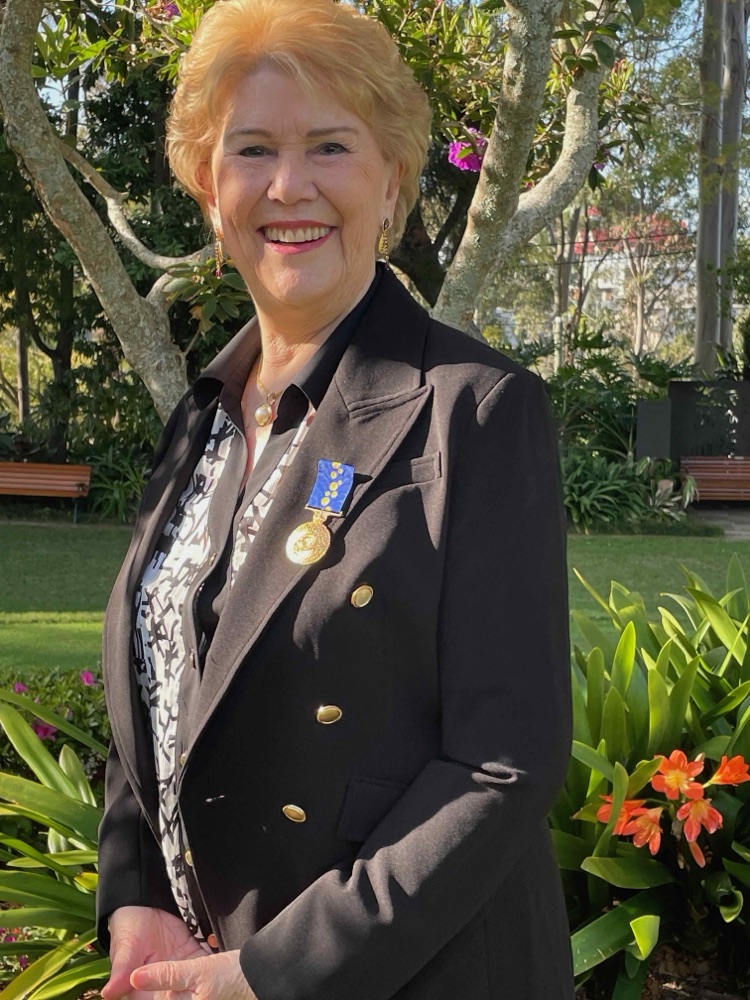
She wanted the world to see what she saw, as it happens.
For fifty years Dr Robyn Thompson worked as a midwife, half in hospitals and half attending births at home. She asked why so many women left hospital with nipple trauma when the women who gave birth at home in her care did not.
Her doctoral research, the first study of its kind on nipple trauma, found that many breastfeeding complications were closely associated with a delay or interruption to the first breastfeed. Many are largely preventable.
The Infant Feeding Index is her vision, built at global scale.
The research the Index is built on.
Dr Robyn's doctoral research and the published papers behind her work. New studies informed by the Index will be added here.
A Retrospective, Cross-Sectional Study of an In-Home Breastfeeding Programme
Dr Robyn Thompson's doctoral thesis, the first study of its kind on nipple trauma.
Potential predictors of nipple trauma from an in-home breastfeeding programme: a cross-sectional study
Thompson R, Kruske S, Barclay L, Linden K, Gao Y, Kildea S. 653 records from an in-home breastfeeding service in Melbourne, 2003–2007.
An account of significant events influencing Australian breastfeeding practice over the last 40 years
Thompson RE, Kildea SV, Barclay LM, Kruske S. A review of the literature from 1970 to 2010.
Impact of the Thompson method on breastfeeding exclusivity and duration: multi-method design
Allen J, Gao Y, Germain J, O'Connor M, Hurst C, Kildea S. An independent evaluation of Dr Robyn's method at Mater Mothers' Hospital, Brisbane, with 13,667 mother and baby pairs. It found more babies breastfeeding directly at hospital discharge. The three-month difference in exclusive breastfeeding was not statistically significant overall.
Nations measure their productivity every quarter. How families feel about feeding their babies has never been measured.
Every quarter, governments read the economy to the decimal point. Yet the foundations of a population's health are laid long before any of that is counted, in the first days and months of life, in how a baby is fed and how the family around that baby is supported.
Infant feeding is where nourishment, care, work and policy meet. Whether a mother can feed her baby as she intends depends on the care she receives, the workplace she returns to and the people beside her. Those conditions are rarely measured while they are happening or from the perspective of the families living them. We believe the health of a nation begins with how it feeds its babies. The Mood Reports give governments, health systems and the media a regular, evidence-based reading of that foundation, told by the mothers, midwives and fathers who live it.
Mood of the Mother
How mothers feel about feeding their babies: how confident and supported they feel, the pressures they face, and whether their feeding intentions are being met, however they choose to feed.
Mood of the Midwife
The view from the front line of maternity care: workload, morale and whether the system allows midwives to give women the feeding support they know they need.
Feelings of the Father
How fathers and partners experience the early weeks: how prepared and included they feel, and how work and parental leave shape their ability to support feeding at home.
FOR GOVERNMENTS · MEDIA · HEALTH SYSTEMS · EMPLOYERS · RESEARCHERS
Join the waitlistBe the first to read the 2026 Infant Feeding Index.
Register your interest.
For organisations wanting to license Index data, and anyone who wants the Mood Reports or the 2026 Index when they are released.